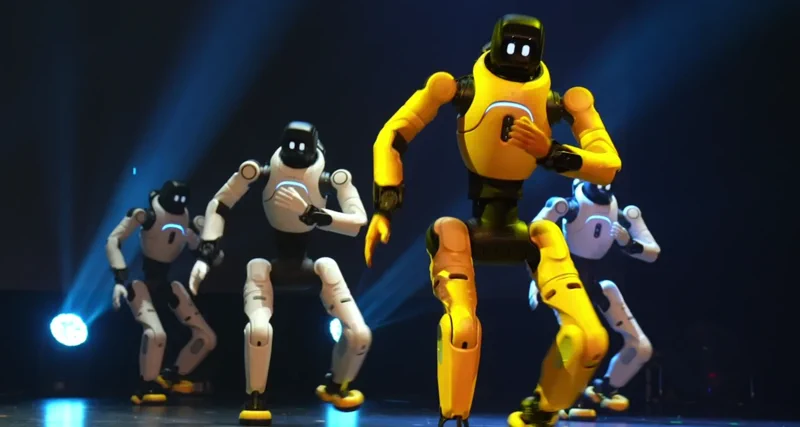
In a move that’s equal parts industrial ambition and geopolitical maneuvering, Serbia has officially opened what its government is calling Europe’s first mass-production factory for humanoid robots. The facility, located in the city of Sabac, is a partnership between Chinese automotive parts giant Minth Group and the rapidly expanding robotics firm AGIBOT, aiming to eventually churn out 20,000 humanoid robots and robotic dogs annually.
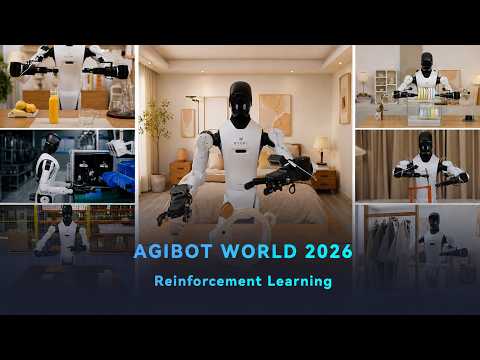
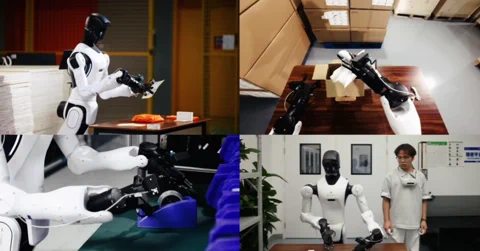
The project kicks off with a €20 million investment in the Sabac plant, with a much larger €200 million Robotics Industrial Park planned for the city of Indjija. Serbian President Aleksandar Vucic, who was on hand to watch a robot demonstrate everything from folding clothes to Chinese calligraphy, stated the initial goal is to assemble over 5,000 robots a year. The models being produced by AGIBOT are no lightweights; their A2 line of humanoids stands up to 175 cm tall, can walk at 7 km/h, and packs a 200 TOPS AI compute system.
The factory’s opening, however, came with a rather startling announcement from President Vucic. He revealed that Serbia has not only purchased quadruped “robo-dogs” but is also testing them for military use, promising a demonstration within 15 days. “You will see them not only walking, but you will see them using weapons, very serious weapons,” Vucic stated, sending a clear signal about the dual-use potential of this new venture. This comes just weeks after the United States banned imports of similar Chinese technology, citing national security risks.
Why is this important?
This factory is more than just a production line; it’s a strategic play on multiple fronts. For Serbia, an EU candidate nation, it’s a major step into a high-tech industry, driven by deep economic ties with Beijing. It positions the country as a potential beachhead for Chinese robotics to enter the European market, possibly circumventing future tariffs by labeling the products “Made in Serbia”. For the global robotics industry, it signals a shift from lab-based prototypes to genuine mass production. While many Western firms are still in the advanced R&D phase, this Serbian facility, backed by AGIBOT’s proven ability to deploy thousands of robots in China, could represent a significant acceleration in the race to build the world’s robotic workforce. The explicit mention of weaponization, however, ensures that Brussels and Washington will be watching this Balkan robotics hub very, very closely.