In a conclusion that should surprise absolutely no one paying attention, the German Aerospace Center (DLR) has officially confirmed that Europe is strategically outmatched by SpaceX’s Starship. A rigorous independent analysis, which cleverly used public telemetry data from Starship’s test flights instead of relying on Elon Musk’s PowerPoint slides, paints a stark picture of the continent’s competitive disadvantage. The report essentially serves as a polite, data-filled panic alarm for European space ambitions.
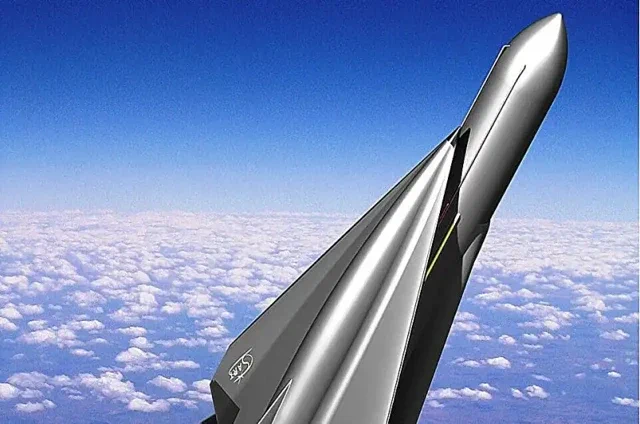
The DLR’s analysis confirms that even early versions of a fully reusable Starship can haul around 59 metric tons to low Earth orbit, with future iterations targeting over 115 tons. To put that in perspective, Europe’s brand-new, entirely expendable Ariane 6 rocket tops out at about 21.6 metric tons. While the European Space Agency (ESA) is still patting itself on the back for finally launching a rocket that gets thrown away after one use, SpaceX is building a fleet of reusable interplanetary moving vans. The DLR’s own proposed alternative, a partially reusable concept called the RLV C5, is a tacit admission that Europe is starting from miles behind.
Why is this important?
This isn’t just about losing a space race; it’s about the potential loss of sovereign access to space. The DLR report underscores a massive strategic gap. Without a comparable heavy-lift, reusable launch system, Europe risks becoming entirely dependent on a foreign company for deploying critical infrastructure, from satellite constellations to future deep-space missions. While some European officials have publicly claimed Starship isn’t a direct competitor, the DLR’s numbers suggest otherwise. The analysis is a clear-eyed call to action: Europe must either invest massively in a truly next-generation rocket or get very comfortable asking SpaceX for a ride.