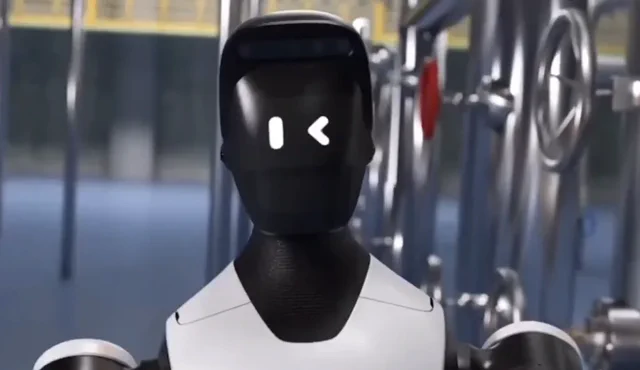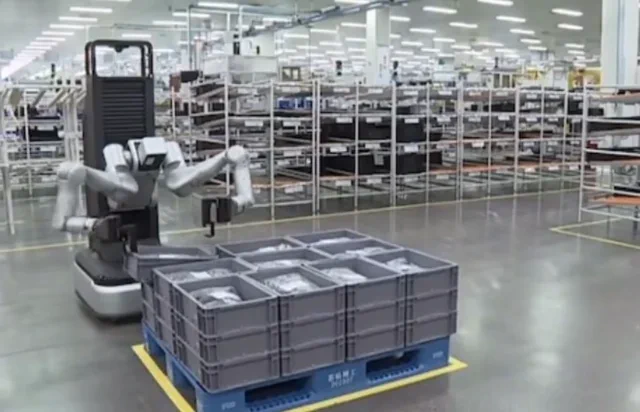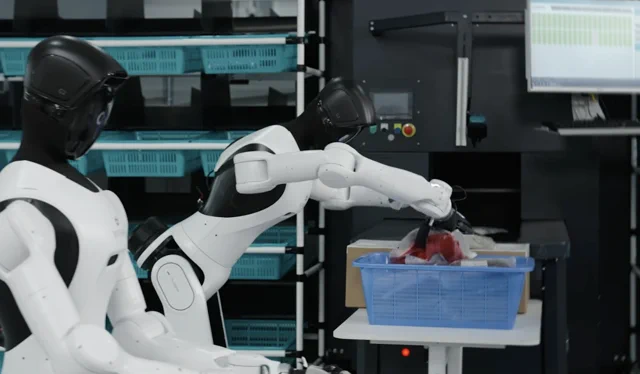
Shanghai-based AGIBOT has just rolled its 10,000th humanoid robot off the production line, a staggering figure that suggests the company is moving beyond flashy demos and into serious mass production. The milestone unit is the new A3 bipedal model, which was only launched last month.
The production ramp-up has been nothing short of exponential. According to the company, it took nearly two years to build the first 1,000 robots, another year to reach 5,000, and then a mere three months to produce the next 5,000. This 4x acceleration in production speed is a testament to a maturing supply chain and a clear signal of aggressive market expansion.
The AGIBOT A3 is the same platform that, just last month, was seen demonstrating martial arts skills that put most action movie extras to shame. While competitors are still celebrating single-digit production runs, AGIBOT seems to be operating on a different timeline entirely. This rapid scale-up isn’t entirely a surprise, given the commercial success of its predecessor, the G2, which previously landed a AGIBOT G2 Demo: The Robot That Just Landed a 1,000-Unit Deal .
Why is this important?
Hitting a five-figure production number is more than just a vanity metric; it’s a clear signal that the economics of humanoid robotics are shifting. Mass production drives down costs, making widespread deployment in logistics, retail, and manufacturing a tangible reality rather than a distant PowerPoint slide. AGIBOT’s achievement puts immense pressure on rivals, turning the humanoid race from a marathon of innovation into a flat-out production sprint. While some US-based manufacturers are focusing on functionality over volume for now, AGIBOT’s scale makes it a dominant force in the rapidly growing market.