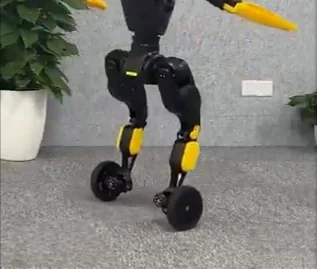
In a demonstration that feels pulled directly from a sci-fi novel, a humanoid robot has been shown turning the pages of a book using nothing but its operator’s thoughts. The robot in question is the TienKung3.0, a new platform from Beijing-based X-Humanoid, controlled via a non-invasive brain-computer interface (BCI). This means no surgical implants, no drilling into skulls—just a headset reading brain signals.
The video showcases a potentially revolutionary application for humanoid robots: serving as intelligent assistants for individuals with severe mobility impairments, such as those with paralysis or ALS. While companies like Neuralink have made headlines by implanting brain chips that allow patients to control cursors and even robotic arms, this demonstration from X-Humanoid highlights a path that sidesteps the significant risks and recovery time associated with brain surgery.
The TienKung3.0 itself is no slouch. Unveiled in February 2026 by the Beijing Innovation Center of Humanoid Robotics (X-Humanoid), the full-size robot is designed as an open platform to accelerate development in the field. It boasts high-torque joints and advanced motion control, capable of navigating complex terrain and handling delicate tasks. Marrying this capable hardware with a non-invasive BCI controller is a potent combination for real-world assistive applications.
Why is this important?
The key differentiator here is “non-invasive.” While invasive BCIs like Neuralink’s offer higher fidelity signals, they come with the daunting prerequisite of neurosurgery. Non-invasive systems, typically using electroencephalography (EEG) caps to read electrical activity from the scalp, dramatically lower the barrier to entry for this kind of assistive technology. They are safer, cheaper, and more accessible, which could accelerate the deployment of robotic assistants from research labs into the homes of people who need them most. While we’re still a long way from your thoughts ordering a robot to fetch a soda, this demonstration is a critical and refreshingly practical step in that direction.