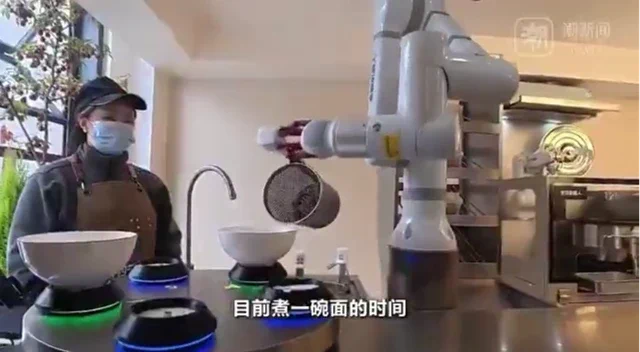
In Hangzhou, China, a new restaurant is turning heads not just for its robotic kitchen staff of over 10 automated chefs, but for its shockingly low prices and novel social mission. The establishment, identified as the “24 Solar Terms AI Robot Restaurant,” serves up bowls of noodles for a mere $1.38, coffee for 84 cents, and ice cream for just 42 cents. This isn’t just a gimmick; it’s a fully operational eatery where robots handle everything from the wok to the final cleanup.
The kitchen is a whir of automated precision. One stir-fry bot has been trained on the movements of professional chefs and can prepare over 100 different dishes, while the dedicated noodle station can produce a fresh bowl in just three minutes. The operation, which began trials in January 2026, also features robotic arms for making coffee and automated cleaning bots that patrol the floors. According to local reports, the quality is high enough that many customers can’t tell their meal was cooked by a machine.
But the most fascinating aspect of this venture isn’t the technology—it’s the humanity it enables. The restaurant doubles as a community dining hall for local senior citizens. By automating the repetitive, physically demanding kitchen work, the human staff are freed up to spend their time where it matters most: interacting with the elderly patrons, providing company, and fostering a sense of community.
Why is this important?
This Hangzhou restaurant offers a compelling counter-narrative to the typical “robots are taking our jobs” anxiety. Instead of a simple labor replacement, this is a model of labor redeployment. The automation handles the drudgery, allowing human workers to focus on empathetic, high-touch social roles that machines cannot fill. As nations like China face the dual challenges of a rapidly aging population and rising labor shortages, this fusion of food-tech and social care could be more than a novelty; it could be a blueprint for the future. It proves that the goal of automation doesn’t have to be eliminating humans from the equation, but rather, elevating them to more meaningful work.