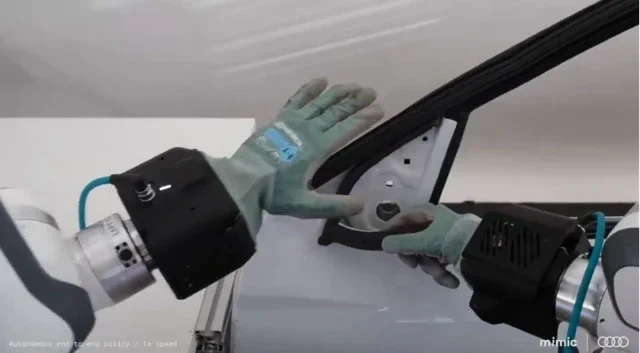
Audi is swapping out traditional, clunky robotic arms for something with a bit more finesse: a pair of AI-powered, humanoid-like hands. In a new partnership with Zurich-based Mimic Robotics, the German automaker is deploying a dual-arm dexterous manipulator on its automotive production lines to handle complex assembly tasks that have, until now, remained stubbornly in the realm of human workers.
The new robotic platform is being put to work installing sealing strips, a task that requires a delicate touch and adaptability. Powered by an end-to-end “pixel-to-motion” AI model, the robot learns from human demonstrations. Skilled operators wear proprietary data-capture devices, allowing the AI to train on detailed datasets of human hand movements and replicate them with precision. This imitation learning allows the robotic hands to handle variations and self-correct in real-time, a significant leap from the rigid, pre-programmed routines of legacy factory robots.
This move is part of Audi’s broader push to create “smart factories” by integrating AI and cloud-based systems into its manufacturing processes. The company has been actively exploring ways to automate more complex tasks, including the notoriously difficult installation of wiring harnesses.
Why is this important?
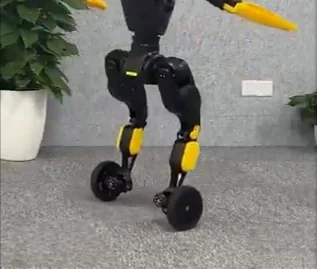
While full-bodied humanoids are grabbing headlines, Mimic Robotics is betting on a more practical, scalable approach by combining dexterous hands with conventional industrial arms. This strategy focuses on solving the immediate need for human-level dexterity without the massive cost and complexity of a full humanoid form factor. By targeting tasks like component assembly and wiring, Audi and Mimic are validating a “minimal humanoid” model that could bridge the gap between today’s automation and the fully roboticized factories of tomorrow. It’s a quiet, but significant, step toward robots taking over not just the heavy lifting, but the fiddly bits, too.