Hungarian robotics startup Allonic has just secured a staggering $7.2 million in pre-seed funding, a figure the company and its investors claim is the largest of its kind in the country’s history. The round, led by Visionaries Club and with participation from Day One Capital, aims to solve a problem that’s been plaguing advanced robotics for years: how to actually build the fiendishly complex machines at scale.
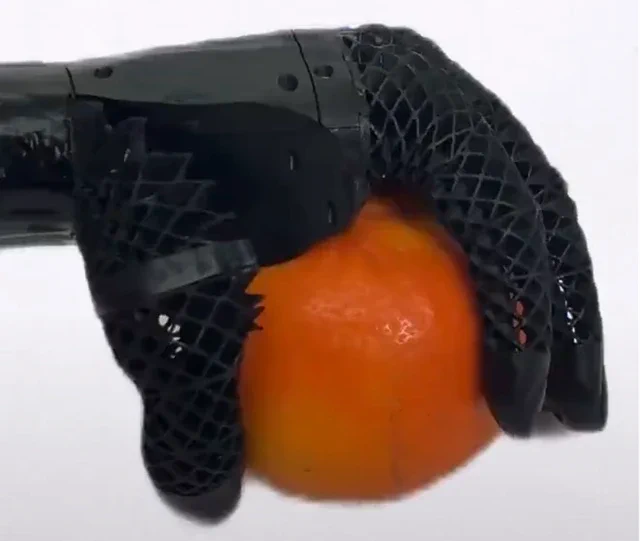
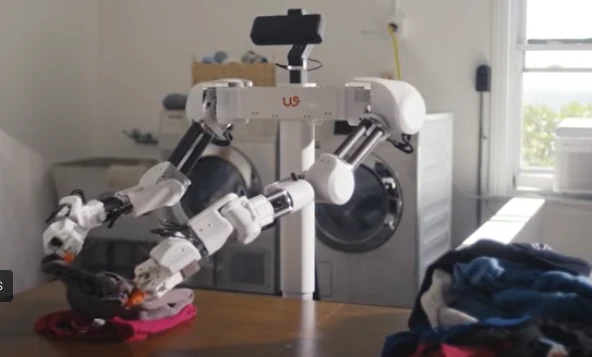
According to CEO Benedek Tasi, the team started out researching biomimetic robots but quickly realized that assembling them with hundreds of tiny parts was a direct path to manufacturing hell. Their answer is a novel platform called 3D Tissue Braiding, which essentially automates the weaving of a robot’s “tissues”—tendons, joints, and load-bearing structures—directly over a skeletal core in one continuous process. This method allows for the integration of wiring and sensors directly into the body, collapsing a complex supply chain and assembly process into a single, automated step.
Why is this important?
While flashy AI models and humanoid demos grab the headlines, the unglamorous reality is that manufacturing remains a massive barrier to the robot revolution. Most advanced robots are still practically hand-built, making them astronomically expensive and impossible to produce in large numbers. Allonic is betting $7.2 million that by rethinking manufacturing from the ground up—focusing on the how instead of just the what—they can create the foundational technology needed to finally scale production. If they can trade manual assembly for automated weaving, they won’t just be building robots; they’ll be building the factory that builds the robots, and that’s a much bigger deal.